Choosing the right screen for your projector can feel tricky, but it doesn’t have to be. The truth is, what matters is the screen material. The type of fabric and surface you choose makes all the difference in how the picture looks in your room.
If you’re going for a big setup like an XL Projector Screen, or even a smaller fixed frame projection screen, you need to think about two things first: the brightness of your room, and the size of your image. Once you know that, picking the right surface gets much easier.
Think About Room Lighting
The first question is simple: Is your room bright, or is it dark?
- Bright rooms (like classrooms, boardrooms, or halls): You’ll want a screen surface that handles extra light without washing out the picture. A high-contrast material helps here.
- Dark rooms (like home theaters): You can go with a more neutral surface that keeps colors natural and minimizes contrast.
Lighting is often the number one reason people feel their screen looks dull. The wrong surface can ruin the image even if you have a great projector.
Consider the Image Size
The bigger your image, the more stress on the screen surface. A huge picture needs a screen that stays flat and resists sagging or wrinkles. That’s where a strong tensioned design comes in.
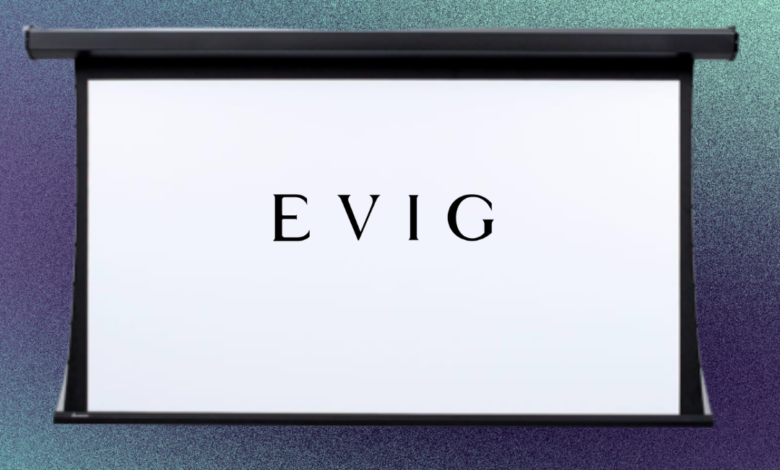
For example, an XL Projector Screen can go up to 18 feet wide. That’s massive. Without the right material and tension, you’d see waves and ripples. Look for tab-tensioned surfaces that keep things tight and flat.
Match the Surface to the Projector
Not all projectors are the same. Some are very bright, while others aren’t. If your projector is on the lower side of brightness, you’ll want a screen with a surface that reflects more light to you. If your projector is super bright, you can choose a surface that balances colors instead of boosting brightness.
A good surface match means you get the sharpest and clearest image without stressing the projector.
Specs You Should Know
If you’re looking at a serious setup, like Draper’s Acumen XL V, here are some specs that matter:
- Case dimensions: 9-1/4″ tall x 8-1/8″ deep – slim enough for most finished rooms.
- Maximum width: Up to 18 feet – perfect for vast spaces.
- Black drop: Standard 12″ top border for better picture framing.
- Low-voltage control: Comes with a built-in controller and wall switch.
- Mounting: Floating brackets and ceiling suspension for flexible installs.
- Service: Removable fascia for easy access to the motor and roller.
- Flat surface: Tab-tensioned material designed for 8K compatibility.
Each of these details makes a difference when you’re setting up a long-term system.
Big Room vs. Small Room
If you’re using a screen in a large space like an auditorium or hall, you’ll want a wide screen with strong tension and a surface that keeps the picture clear even at the edges.
For smaller rooms, you don’t need to go overboard. A well-sized screen with the right gain (brightness level) is enough. Sometimes, a fixed frame projection screen is perfect for home theaters because it stays tight on the wall and always looks flat.
Don’t Forget Viewing Angles
A common mistake is forgetting that people watch the screen from different seats. Some surfaces reflect light straight back, which looks great from the middle but bad from the sides. Others spread light wider so everyone gets a good view.
If you’re planning a boardroom or classroom, choose a surface with a wide viewing angle so everyone can see clearly.
Why Flatness Matters
A wrinkle or wave on a projection screen is more distracting than you’d think. The eye notices lines, even if they’re small. That’s why tab-tensioned surfaces are so important for big screens. They pull the fabric evenly from all sides, so you get that ultra-flat look.
This is especially true for the XL Projector Screen, where even the tiniest curve shows up at that size. Flatness means better focus and sharper images.
Final Thoughts
When choosing a projection surface, always start with your room lighting and image size. From there, think about flatness, viewing angles, and how your projector matches the surface.
If you’re going big with an XL Projector Screen, tension and durability are key. If you’re setting up at home, a fixed frame projection screen may be all you need for a sharp, reliable picture.
The right material makes all the difference. Once you match the surface to your setup, you’ll notice how much better the picture looks, no matter what you’re watching.