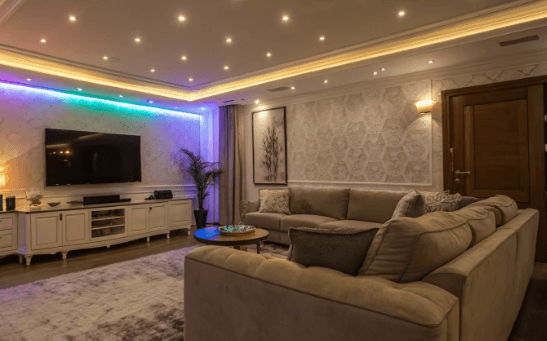
Lighting technology has evolved far beyond simple illumination. In modern infrastructure, LED strip systems are now integrated into architecture, transportation, retail design, hospitality spaces, entertainment venues, and industrial facilities. Their flexibility, efficiency, and adaptability allow engineers and designers to create lighting solutions that support both functionality and visual performance.
Among the many lighting technologies available today, RGB LED strips have gained significant attention because they combine dynamic color control with compact installation capabilities. Their applications continue to expand as buildings become smarter and more focused on energy-efficient operation.
One reason for this growing demand is the ability of modern LED strips to meet both engineering and design expectations simultaneously. Whether installed in commercial interiors, outdoor structures, or industrial environments, LED strips now offer precise lighting control, consistent performance, and reliable durability for long-term use.
The Growing Importance of Flexible LED Strip Systems
Traditional lighting systems often require large fixtures, rigid mounting structures, and extensive installation planning. LED strip technology simplifies many of these challenges by providing compact and flexible lighting solutions that can adapt to various surfaces and layouts.
The structure of 5050 LED strips makes them particularly useful for projects requiring balanced brightness and efficient color blending. With a cutting length of 100 mm, installers can adjust strip lengths with greater precision during installation. This flexibility helps reduce material waste and allows lighting systems to fit customized architectural dimensions more accurately.
In large commercial environments, where lighting layouts frequently change during project execution, flexible cutting intervals can significantly improve installation efficiency. Contractors can make modifications on-site without redesigning the entire lighting arrangement.
Another important feature is the LED spacing of 16.6 mm. Proper spacing between LEDs contributes to smoother illumination and more balanced color output. Consistent spacing is especially valuable in indirect lighting applications where uneven brightness can negatively affect visual quality.
Retail stores, hotel interiors, exhibition spaces, and entertainment venues often rely on seamless lighting presentation to create comfortable and visually attractive environments. Uniform LED distribution helps maintain consistent illumination across long lighting runs without visible dark spots.
Compact PCB Design and Installation Efficiency
Space limitations are common in modern architectural and industrial projects. Lighting systems frequently need to fit into narrow ceiling profiles, display cabinets, wall recesses, and compact structural elements.
The PCB dimensions of 5000 mm × 10 mm × 0.3 mm allow 5050 LED strips to remain lightweight and highly adaptable during installation. The slim profile makes it easier to integrate lighting into areas where traditional fixtures may not fit.
From an engineering standpoint, thinner PCB construction also supports improved flexibility when strips need to follow curved or irregular surfaces. This becomes particularly useful in decorative architectural projects, transportation interiors, and customized display systems.
Long continuous strip lengths reduce the number of connection points required during installation. Fewer electrical joints can contribute to better reliability and lower maintenance requirements over time.
In commercial environments, reducing installation complexity often translates directly into lower labor costs and faster project completion. Compact strip systems also simplify future maintenance because sections can be replaced without disturbing surrounding structures.
Improved Light Distribution Through Wide Viewing Angles
Lighting quality depends not only on brightness but also on how effectively light spreads across a space. Poor light distribution can create glare, uneven illumination, and visual discomfort.
A 120° viewing angle allows LED strips to distribute light more evenly across surfaces and environments. Wider beam angles are especially useful in applications where broad illumination coverage is needed without relying on multiple lighting fixtures.
For example, under-cabinet lighting, corridor illumination, retail shelving, and cove lighting applications benefit from wide-angle light spread because it helps minimize harsh shadows and concentrated hotspots.
In hospitality and entertainment environments, wider viewing angles can improve ambient lighting effects by creating smoother transitions between illuminated surfaces. This contributes to a more comfortable and visually balanced environment for occupants.
Industrial facilities also benefit from broader light distribution. Maintenance pathways, workstations, and equipment areas often require consistent visibility to support safer operations and improved worker efficiency.
Waterproof Performance in Demanding Environments
Environmental protection remains a major requirement for many commercial and industrial lighting installations. Moisture, dust, temperature fluctuations, and outdoor exposure can reduce lighting reliability if systems are not properly protected.
A high-quality Waterproof RGB LED Strip is designed to withstand challenging environmental conditions while maintaining stable performance. Waterproof protection allows RGB lighting systems to operate effectively in outdoor architectural projects, landscape lighting, marine environments, and moisture-prone indoor spaces.
In urban infrastructure projects, waterproof LED strips are frequently used for bridge accents, public walkways, exterior signage, and façade illumination. Their durability helps reduce maintenance interruptions while supporting long operational lifespans.
Waterproof designs also improve safety by protecting electrical components from water intrusion and corrosion. This becomes especially important in environments where lighting systems operate continuously or remain exposed to weather conditions for extended periods.
As cities continue adopting smart lighting infrastructure, durable waterproof LED solutions are becoming increasingly valuable for long-term operational reliability.
Engineering Considerations for Manufacturing Quality
The long-term performance of LED strips depends heavily on manufacturing precision, thermal management, and component quality. Reliable production standards help ensure consistent brightness, stable electrical operation, and efficient heat dissipation.
For large-scale infrastructure and commercial projects, working with an experienced OEM LED strip lights manufacturer can help maintain consistent technical standards across installations. Manufacturing accuracy becomes especially important in RGB systems because color consistency and voltage stability directly affect lighting quality.
PCB thickness, soldering quality, chip placement accuracy, and protective coatings all contribute to operational reliability. Poor manufacturing standards can result in uneven color output, overheating, or premature component failure.
Thermal management is another critical engineering factor. Efficient heat dissipation helps extend LED lifespan and maintain consistent performance during continuous operation. In high-usage commercial environments, this directly influences maintenance schedules and operational costs.
Manufacturers focused on technical precision often conduct electrical testing, waterproof verification, and thermal performance evaluations to ensure product durability across different applications.
See also: How to Improve Business Communication
The Future of RGB LED Strip Applications
As modern buildings continue integrating smart technologies, RGB LED strip systems are expected to become even more versatile. Lighting control systems now support dimming automation, programmable color scenes, motion sensors, and centralized building management integration.
Future developments will likely focus on improved energy efficiency, enhanced color accuracy, and stronger environmental protection for outdoor and industrial use.
The flexibility of LED strip systems also aligns well with sustainable construction practices. Lower energy consumption, longer operational lifespans, and reduced maintenance requirements contribute to more efficient infrastructure management.
From commercial interiors and entertainment venues to industrial facilities and urban architecture, advanced RGB LED technology continues to support innovative lighting solutions that balance engineering performance with modern design expectations.
As lighting demands evolve, compact and adaptable LED strip systems will remain an important part of efficient and future-ready infrastructure development.