
Choosing between portable solar generators and gas generators depends on various factors. Both have unique strengths and can cater to different needs. Portable solar generators have gained popularity for their sustainable power options and minimal environmental impact. These devices use solar panels to capture sunlight, converting it into electricity for powering essential appliances. Gas generators, on the other hand, have been reliable power sources for decades, favored for their robust performance and ability to deliver instant energy. However, they come with ongoing fuel costs and emissions. This comprehensive comparison will delve into power output, cost, safety, environmental impact, and practical use cases to help you make an informed decision.
Power Output, Performance, and Reliability
How Portable Solar Generators Deliver Power
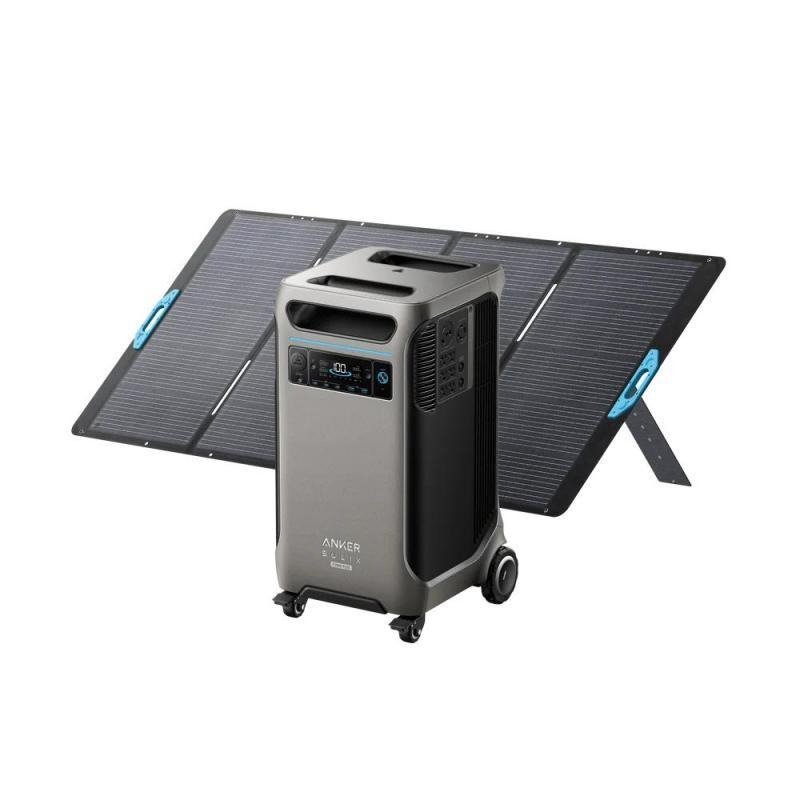
Portable solar generators, like the Anker SOLIX F3800 Plus Solar Generator, harness energy from the sun using high-efficiency solar panels. With a solar input of up to 3,200W, these generators can fully charge in under 2 hours under optimal sunlight conditions. The scalability feature allows for an increase in capacity from 3.84kWh to 53.8kWh, providing flexibility for different power requirements and ensuring several days of backup energy supply. The AC output ranges up to 6,000W, sufficient for running appliances from fridges to central air conditioning systems. The Anker app enables remote control, allowing users to manage the charging and battery status efficiently. Such generators are known for their durability, supported by a 5-year warranty and a lifespan exceeding 10 years.
How Gas Generators Produce and Sustain Energy
Gas generators operate through internal combustion engines, converting fuel (typically gasoline, diesel, or propane) into electrical energy. They are known for their immediate power output, making them a dependable choice during power outages and for outdoor events. Renowned for their robustness, gas generators deliver consistent energy to power various household and business appliances. Fuel is their mainstay, with streams requiring refueling to sustain energy output, which can be seamless if you have a ready supply of fuel. However, the reliance on fuel and the resultant emissions present challenges. While they are generally more powerful than solar generators portable, ongoing operational costs due to fuel consumption can accumulate over time.
Real-World Performance in Emergencies and Outdoors
In emergencies, gas generators traditionally outperform due to their ability to provide immediate and robust energy output. Their consistent performance makes them valuable for continuous power supply, which is crucial during extensive power cut scenarios. However, portable solar generators are catching up fast due to their improved efficiency and capacity, offering a sustainable option during day-time power needs. In outdoor settings such as camping or remote workstations, solar generators excel because of their silent operations and lack of emissions, making them a favorable option from an environmental standpoint. They are easy to transport, setup is simple, and with no fuel dependency, they offer convenience for extended periods in the wilderness when sunlight is prevalent.
Cost, Fuel, and Long-Term Ownership
Upfront Price and Value Over Time
Portable solar generators, like the Anker SOLIX F3800 Plus, may come with a higher initial price tag compared to gas generators. However, their long-term value is evident in the absence of fuel costs and the low maintenance demands. The scalability of units like the Anker SOLIX F3800 Plus allows users to start small with their investment and expand capacity as needed without significant additional costs. On the other hand, gas generators often have a lower upfront cost, attracting those looking for immediate relief from power interruptions. However, as time progresses, the recurring expenses on fuel and maintenance tasks, such as oil changes and part replacements, add to the overall investment much more than anticipated initially.
Fuel, Charging, and Operating Costs Compared
Fuel costs form a substantial part of the operating expenditure for gas generators. They require a constant supply of gasoline, diesel, or propane to function, with prices fluctuating based on market conditions. In contrast, portable solar generators eliminate fuel costs entirely as they rely on free, renewable solar energy. The Anker SOLIX F3800 Plus’s bypass charging lets it recharge from a 240V wall outlet or even a gas generator during prolonged cloudy periods. While this may incur some electrical costs, they are typically lower compared to the regular fuel expenses of gas generators. Over time, portable solar generators present a cost-effective solution for sustainable energy needs.
See also: About Qy-45y3-Q8w32 Model: the Future of Smart Home Technology
Maintenance, Lifespan, and Repair Needs
Gas generators demand more frequent maintenance to ensure their longevity and reliability. Regular tasks include oil changes, air filter replacements, and fuel system checks, which, if neglected, can affect performance adversely. Portable solar generators, however, have minimal maintenance requirements. With advanced battery technology, such as EV-grade batteries in the Anker SOLIX F3800 Plus, users can expect a lifespan exceeding 10 years, accompanied by a comprehensive warranty. The simplicity in design and fewer moving parts reduces the likelihood of repairs, making them a less cumbersome choice in terms of upkeep. This resilience is attractive for individuals desiring a dependable, low-maintenance power solution.
Safety, Environment, and Practical Use Cases
Indoor Safety, Noise, and Emissions
One of the significant advantages of portable solar generators is the safety with indoor use. They emit no harmful pollutants, ensuring clean air quality and no risk of carbon monoxide poisoning – a concern prevalent with gas generators. Furthermore, solar generators operate silently, making them ideal for settings requiring minimal noise disturbance, such as in homes or campgrounds. In contrast, gas generators are typically noisy, which can be bothersome in residential or quiet environments. Additionally, they emit fumes requiring careful placement outdoors to prevent health hazards. As such, solar generators provide a safer, quieter alternative, particularly for enclosed or densely populated areas.
Environmental Impact and Energy Efficiency
Portable solar generators stand out for their environmentally friendly operation. They harness renewable energy, reducing dependence on fossil fuels and minimizing carbon footprints. The energy efficiency of models like the Anker SOLIX F3800 Plus shines through their ability to convert sunlight into substantial power, promoting sustainable practices. Conversely, gas generators contribute to environmental pollution through greenhouse gas emissions. Their reliance on fossil fuels and the production of exhaust gases negatively impact air quality, posing environmental concerns. Consequently, individuals prioritizing green energy solutions may find portable solar generators more aligned with their values, contributing to a healthier planet.
Choosing the Right Generator for Your Needs
When selecting between portable solar and gas generators, consider your power needs, environmental concerns, and usage scenarios. Portable solar generators, with their quiet, emission-free operation, are excellent for indoor use and in locations where sunlight is abundant. Their low maintenance and operational costs make them a compelling choice for those seeking sustainable energy solutions. Conversely, if immediate, substantial power output is crucial, particularly in emergency situations, a gas generator may better meet those needs. Consider also the potential limitations such as space for fuel storage or restrictions on generator noise and emissions when making your choice.
Conclusion
Deciding between portable solar generators and gas generators involves weighing factors such as power output, cost, maintenance, safety, and environmental impact. Portable solar generators like the Anker SOLIX F3800 Plus offer sustainable energy with minimal environmental impact, zero emissions, and low operational costs. They are ideal for those prioritizing green solutions and long-term savings. On the other hand, gas generators provide robust, immediate power, essential during emergencies, though at higher ongoing costs and environmental impacts. Ultimately, assessing your specific needs and circumstances will guide you to the most suitable generator choice for your home or outdoor adventures.