Tariff Wars, Rate Uncertainty, and Rising Rents: Why 2026 Is the Year to Learn a Recession-Proof Strategy

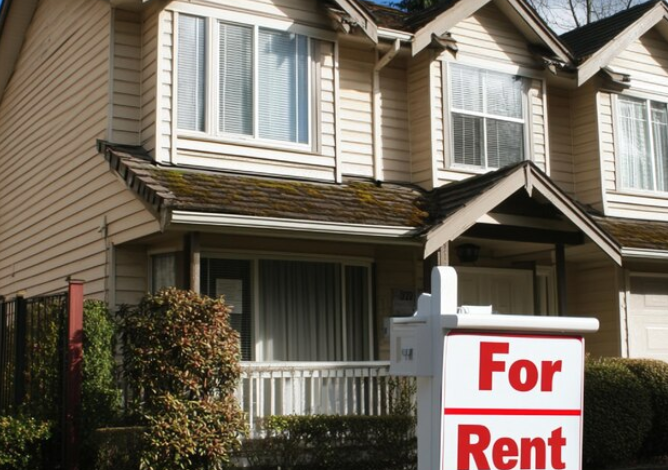
The real estate headlines in 2026 read like a weather report with no clear forecast.
Tariffs on aluminum, steel, and copper are sitting at 50 percent. Builder confidence, as measured by the NAHB/Wells Fargo Housing Market Index, dropped to 34 in April 2026, a number that signals deep hesitation across the construction industry. The Fed has held rates steady longer than most analysts predicted. And according to PwC’s Emerging Trends survey, nearly 90 percent of real estate leaders cite interest rates as a top concern heading into this year.
Against that backdrop, there’s a group of investors who aren’t panicking. They’re not glued to rate forecasts or waiting for tariff negotiations to resolve. They found a corner of real estate where the income stream doesn’t depend on any of that.
That corner is recession proof real estate investing through the Section 8 Housing Choice Voucher program and the logic behind it is simpler than most people expect.
What “Recession-Proof” Actually Means in Practice
The phrase gets used loosely, so it’s worth being specific.
Recession proof real estate investing doesn’t mean the market never moves around you. It means your income source is structurally insulated from the forces that destabilize most landlords: tenant job loss, market rent softening, construction cost spikes, and buyer demand swings.
In a standard rental, if your tenant loses their job, you lose your rent. If the local economy softens, vacancy climbs and rents compress. If material costs spike due to tariffs, your renovation budget balloons. Every variable feeds into the same fragile income stream.
The Section 8 model interrupts that chain at the most critical point: payment source. The Housing Assistance Payment (HAP) comes directly from the local housing authority to the landlord. It doesn’t pass through the tenant. It doesn’t depend on their employment status, their credit cycle, or their personal circumstances in a given month.
When tariffs drive inflation and tenants across the market feel financial pressure, voucher holders remain housed and HAP payments keep moving. That’s not a marketing claim, it’s the structural design of the program.
How the Current Economic Moment Actually Favors This Model
Three things are happening simultaneously in 2026 that, taken together, create a specific opening for anyone willing to learn recession proof real estate investing through this lens.
First: construction is slowing down. Tariffs on imported building materials- steel, aluminum, lumber have pushed construction costs sharply higher. The Yale Budget Lab estimated that reciprocal tariffs alone could reduce GDP growth by 0.6 percentage points if trading partners retaliate. Developers are shelving projects. New supply is tightening. That means fewer rental units entering the market, which puts upward pressure on rents for existing compliant properties.
Second: homeownership is getting harder to access. Mortgage rates have stayed elevated longer than expected. According to U.S. Bank research, the NAHB builder confidence index sits at 34 levels consistent with a market where buyers are backing off and choosing to rent instead. More renters in the market means more demand for affordable rental units, which Section 8 properties serve directly.
Third: Fair Market Rents are rising. HUD’s per-unit cost for the voucher program increased 4.71 percent in 2025. When FMRs rise, the HAP payment ceiling rises with them, meaning program landlords can collect higher government-backed rents without the friction of negotiating with individual tenants.
Each of these pressures, separately, would be worth noting. Together, they form a specific case for why recession proof real estate investing through Section 8 is worth understanding right now, not in theory, but in actual market conditions.
The Mistake Most Investors Make When Rates Are High
High interest rates create a common trap: investors either freeze entirely or swing toward short-term speculative plays, hoping to time a rate correction.
Both responses are reactive. And reactive investing during economic fog tends to produce results shaped more by anxiety than by strategy.
The investors I’ve watched navigate uncertain periods most steadily share one habit: they focus on what they can control. They can’t control the Fed. They can’t control tariff negotiations or Treasury yield volatility. What they can control is whether they understand how HAP payments flow, what Fair Market Rents look like in their target zip code, and whether a given property will pass a current NSPIRE inspection on the first walkthrough.
That’s the operational layer of recession proof real estate investing that rarely gets covered in macro-level coverage. It’s not exciting. But it’s the difference between investors who watch uncertainty from the sidelines and those who build during it.
Why This Is a Learning Moment, Not Just a Market Moment
One thing that consistently gets underestimated is how much the learning itself matters in this model.
Section 8 isn’t complicated, but it is specific. The payment structure, the inspection requirements, the PHA relationships, and the market-level FMR research none of it is intuitive if you’re coming from standard real estate investing. And courses built specifically around this model, like Section 8, exist precisely because the learning curve, while manageable, requires a structured sequence to navigate correctly.
The investors who struggle with recession proof real estate investing through Section 8 almost universally skipped that sequence. They bought before researching Fair Market Rents. They contacted a housing authority without understanding the HAP approval process. They underestimated what NSPIRE inspectors look for and lost months to re-inspection delays.
The investors who move steadily, building compliant units, maintaining PHA relationships, collecting consistent HAP payments regardless of what the broader economy is doing, are the ones who treated learning the system as the first investment, not an optional step.
Final Thoughts
Economic uncertainty in 2026 is real. Tariffs are reshaping construction costs. Interest rates have stayed elevated longer than the market predicted. Builder confidence is low, and rental demand from households priced out of homeownership is rising.
None of that changes how a Housing Assistance Payment works. None of it affects whether a housing authority issues your HAP on the first of the month.
That’s what recession proof real estate investing through Section 8 actually means in practice, not that the world around you stops moving, but that the mechanism delivering your income is built on a foundation that moves differently than the forces unsettling everyone else.
The fog won’t clear on a schedule that suits any investor. The question is whether the income strategy you’re building requires it to.