Boat speed plays a much bigger role in safety than many people realise. While speed often feels like a performance or convenience issue, it directly affects control, stopping distance, visibility, and how your boat interacts with others on the water. In Australia’s busy waterways, managing speed correctly is a key part of responsible boating.
Australian boaters navigate a wide mix of environments, from crowded rivers and inland lakes to coastal passages and open water. Each setting comes with different speed expectations, hazards, and regulations. Relying on visual judgement alone is not always enough, especially when conditions change or waterways become congested.
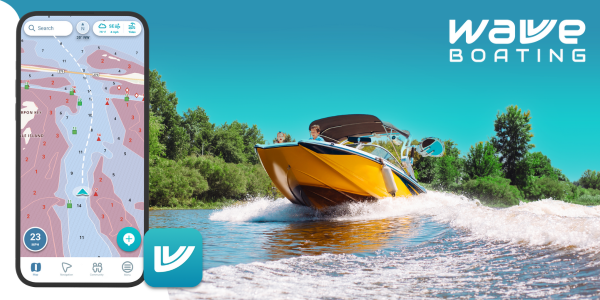
Using an Australian boat speed app gives boaters accurate, real time speed data that helps them stay in control and make safer decisions. Instead of guessing, you can clearly see how fast you are travelling and adjust before problems arise.
Speed affects control and reaction time
The faster a boat travels, the less time a skipper has to react to unexpected situations. Floating debris, sudden turns, swimmers, or other vessels can appear quickly, particularly in rivers and coastal areas with limited visibility.
Monitoring speed helps ensure you maintain a pace that allows for safe manoeuvring. This is especially important in narrow channels, near boat ramps, and in high traffic zones where conditions can change rapidly.
Australian waterways demand speed awareness
Australia’s waterways are heavily used for recreation, fishing, and transport. Areas such as harbours, rivers, and popular coastal stretches often include a mix of boats, personal watercraft, paddlers, and swimmers.
Many states enforce speed limits and no wake zones to reduce risk and protect shorelines. Without accurate speed tracking, it is easy to unintentionally exceed limits, particularly when currents or wind influence how fast you are actually moving over water.
Reducing wake and protecting others
Excessive speed creates larger wakes, which can be dangerous for smaller vessels and people in the water. Wake damage can also affect moored boats, jetties, and shorelines.
By monitoring your speed, you can reduce wake in sensitive areas and operate more courteously around others. This is a key part of safe boating culture across Australia, especially in residential waterways and environmentally protected zones.
Better decisions in changing conditions
Weather and water conditions can change quickly. Wind, chop, and current all affect how safely a boat can operate at certain speeds. What feels comfortable in calm conditions may become unsafe when waves build or visibility drops.
Having clear speed data allows you to adapt immediately. Slowing down early can prevent loss of control, reduce impact stress on the hull, and keep passengers safe.
Supporting compliance and confidence
Speed related incidents are one of the most common causes of boating accidents. Monitoring speed helps boaters stay compliant with local regulations and reduces the likelihood of enforcement issues or fines.
More importantly, it builds confidence. When you know exactly how fast you are going, you can focus on navigation, lookout duties, and situational awareness rather than second guessing your speed.
Safer boating for all experience levels
New boaters often struggle with judging speed accurately, particularly when learning how a boat responds under different loads and conditions. A speed app provides immediate feedback, helping beginners develop safer habits from the start.
Experienced boaters benefit as well. Even with years on the water, conditions, boats, and environments vary. Speed monitoring helps confirm judgement and refine decision making.
See also: How Online Universities Are Redefining Flexible Learning Paths
Fuel efficiency and mechanical protection
While safety is the primary concern, speed awareness also supports better fuel management and reduces mechanical strain. Running too fast in rough conditions can stress engines and hulls, increasing wear and maintenance costs.
Maintaining appropriate speeds helps extend the life of your boat while keeping trips smoother and more predictable.
Making speed awareness part of every trip
Safe boating is about consistency. Monitoring speed should be as routine as checking weather, fuel levels, and safety equipment. When speed awareness becomes second nature, overall boating safety improves.
Using reliable speed tracking tools helps Australian boaters operate responsibly across different waterways and conditions. It supports safer interactions with others, protects the environment, and reduces risk for everyone on board.
In the end, safe boating is not about how fast you can go, but about knowing when and how to slow down. Monitoring boat speed is one of the simplest and most effective ways to make every trip safer, more controlled, and more enjoyable on Australian waters.