If you suspect mold in your home or commercial property, one of the first questions you may ask is whether you need Mold Testing in New York or a professional mold inspection first. The answer depends on the condition of the property, visible signs of mold, and the reason for the evaluation. In most situations, a mold inspection is usually the first step because it helps identify moisture issues, visible growth, and affected areas before testing is performed.
A professional mold inspection focuses on locating the source of the problem, while mold testing analyzes air or surface samples to determine the type and concentration of mold spores present. Both services are important, but they serve different purposes.
Understanding the difference between mold inspection and mold testing can help property owners avoid unnecessary costs, identify hidden problems earlier, and make informed decisions about remediation and indoor air quality.
Understanding what mold inspection actually involves
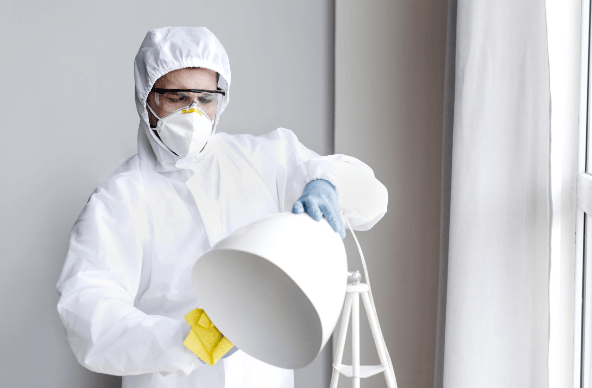
A professional Mold Inspection in New York is a visual and structural assessment of a property designed to identify signs of mold growth, moisture intrusion, humidity problems, and water damage.
The inspector examines areas where mold commonly develops, including:
- Basements and crawl spaces
- Bathrooms and kitchens
- HVAC systems and ductwork
- Attics and roof leak areas
- Behind walls or under flooring when needed
The main purpose of the inspection is to determine whether mold is likely present, how severe the issue may be, and what conditions are contributing to the growth.
A mold inspection focuses heavily on moisture detection because mold cannot grow without a moisture source. Professional inspectors use tools like thermal imaging cameras, moisture meters, and humidity readers to identify hidden damp areas.
What mold testing is designed to do
While inspections focus on identifying visible or suspected mold issues, Mold Testing in New York involves collecting samples from the air or surfaces for laboratory analysis.
Testing helps determine:
- The type of mold spores present
- Mold spore concentration levels
- Whether indoor air quality is affected
- If hidden mold contamination may exist
Air sampling is commonly used when mold is suspected but not visible. Surface sampling may be performed on walls, ceilings, furniture, or HVAC components where contamination appears likely.
Testing can provide scientific data about the indoor environment, especially when occupants experience unexplained allergy symptoms, respiratory irritation, or ongoing odors.
Why mold inspection usually comes first
In most cases, a professional Mold Inspection in New York should happen before testing. The inspection helps determine whether testing is actually necessary and where samples should be collected.
Without a proper inspection, testing may provide incomplete or misleading information because mold problems are highly location-specific.
For example, if visible mold already exists due to a roof leak or water damage, the inspection can identify the source and extent of contamination immediately. Testing may still be useful later, but the inspection guides the overall process.
Professional inspectors use their findings to decide whether air testing, surface testing, or additional moisture investigation is appropriate.
Situations where mold inspection alone may be enough
Not every property requires laboratory testing. Sometimes visible evidence of mold and moisture problems already confirms the issue.
For example, if there is obvious fungal growth under a sink after a plumbing leak, testing may not be necessary to confirm that mold remediation is needed.
A professional Mold Inspection in New York may be enough when:
- Mold growth is already visible
- Water damage is clearly present
- The moisture source is obvious
- Remediation decisions are straightforward
In these situations, inspection findings often provide enough information to move forward with cleanup and repairs.
When mold testing becomes especially important
There are situations where Mold Testing in New York becomes highly valuable. Testing is particularly useful when mold is suspected but cannot be visually confirmed.
This may happen when:
- There is a persistent musty odor
- Occupants experience allergy symptoms indoors
- Previous water damage occurred behind walls
- Property buyers want environmental verification
- Post-remediation clearance testing is needed
Testing helps determine whether elevated mold spores exist in the indoor air, even if mold remains hidden behind building materials.
Testing also helps document indoor environmental conditions for landlords, tenants, real estate transactions, or insurance purposes.
Hidden mold problems are more common than many people realize
One reason inspections are so important is that mold often develops in hidden areas. Moisture trapped behind drywall, beneath flooring, or inside HVAC systems can allow mold colonies to grow unnoticed for months.
A professional Mold Inspection in New York looks beyond visible surfaces to identify hidden moisture patterns and structural conditions that support mold growth.
Common hidden mold sources include:
- Slow plumbing leaks
- Roof leaks inside attic insulation
- Poor bathroom ventilation
- HVAC condensation issues
- Flood or storm damage
Without inspection, these underlying causes may continue even if surface mold is cleaned temporarily.
Air quality concerns and mold exposure symptoms
Indoor mold exposure can affect air quality and may contribute to respiratory irritation, allergies, headaches, or worsening asthma symptoms in sensitive individuals.
This is where Mold Testing in New York often becomes valuable because air sampling measures airborne spore levels inside the property.
While testing alone cannot diagnose health conditions, it helps identify whether mold contamination may be affecting the indoor environment.
See also: Transform Your Home with Stylish Pitched Roof Windows
Air quality concerns are especially important in:
- Schools and offices
- Apartment buildings
- Healthcare facilities
- Homes with children or elderly occupants
Testing can provide reassurance when air quality concerns exist but visible mold is not obvious.
The difference between air sampling and surface sampling
Mold testing usually involves two main methods: air sampling and surface sampling.
Air sampling measures mold spores circulating in the air. This helps evaluate overall indoor air quality and detect hidden contamination.
Surface sampling collects material from visible growth or suspected contaminated areas. This helps identify specific mold types present on surfaces.
Professional Mold Testing in New York providers select the appropriate testing method based on inspection findings rather than using a one-size-fits-all approach.
The inspection guides the testing strategy to improve accuracy and usefulness.
Why moisture detection is critical during inspections
Moisture is the root cause of all mold growth. Without controlling moisture, mold problems usually return even after cleaning.
This is why professional Mold Inspection services in New York focus heavily on moisture detection technology.
Inspectors may use:
- Infrared thermal imaging
- Moisture meters
- Hygrometers for humidity measurement
- Visual structural assessment tools
These tools help locate hidden water intrusion that homeowners may not notice on their own.
Addressing the moisture source is often more important than simply identifying the mold type.
Mold inspections are valuable during property purchases
Homebuyers increasingly request mold inspections before purchasing properties, especially older homes or buildings with prior water damage history.
A professional Mold Inspection in New York can identify issues that standard home inspections may overlook, including hidden leaks, ventilation problems, or suspicious staining.
Testing may also be recommended if elevated moisture levels or musty odors are discovered during the inspection process.
This extra level of evaluation helps buyers avoid expensive future remediation costs.
Post-remediation testing verifies cleanup success
After mold remediation work is completed, post-remediation verification testing may be performed to confirm that indoor spore levels have returned to acceptable conditions.
This is one of the most common reasons for professional Mold Testing in New York after cleanup projects.
Clearance testing helps ensure:
- Mold contamination was properly removed
- Air quality improved successfully
- Moisture issues were addressed
- The property is safer for occupancy
This verification process is especially important in commercial properties, rental buildings, or larger remediation projects.
Choosing the right service for your situation
The decision between inspection and testing depends on the property condition and your goals. In many cases, starting with a professional inspection is the smartest approach because it identifies the cause, location, and severity of potential mold issues.
Testing becomes more valuable when hidden contamination, air quality concerns, or documentation needs exist.
The most effective approach usually combines both services strategically rather than relying on testing alone without proper inspection.
For property owners seeking reliable indoor environmental evaluations, Quest Mold and Asbestos Inspections and testing provides professional mold inspection and Mold Testing services in New York designed to identify hidden moisture problems, evaluate indoor air quality, and help property owners make informed remediation decisions.