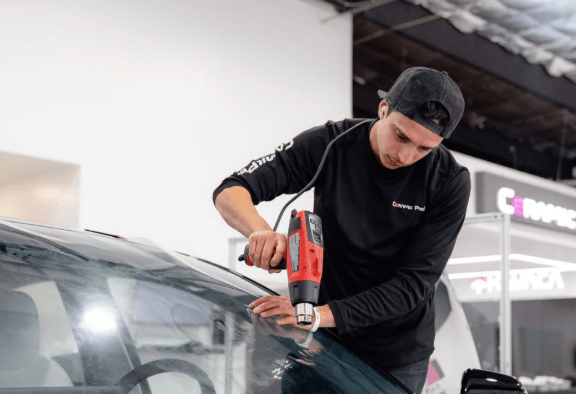
Driving in hot weather can quickly become uncomfortable, especially when sunlight pours directly into your vehicle and raises the interior temperature within minutes. Excess heat not only affects comfort but can also impact driving safety, fuel efficiency, and the lifespan of your car’s interior materials. A professional Window Tinting Service offers an effective solution by reducing heat buildup inside the vehicle while also improving privacy and UV protection. Modern window tinting technology is designed to block a significant portion of solar heat, making driving more comfortable and energy-efficient. Understanding how window tinting works and why it reduces heat helps vehicle owners make informed decisions about upgrading their cars.
Understanding How Heat Builds Up Inside Vehicles
The Greenhouse Effect in Cars
When sunlight enters a vehicle through glass windows, it gets trapped inside, creating a greenhouse effect. The heat from the sun passes through the glass but struggles to escape, causing the interior temperature to rise rapidly. This is why parked cars can become extremely hot even after a short period in the sun.
Role of Sunlight and Infrared Rays
Sunlight consists of visible light, ultraviolet (UV) rays, and infrared radiation. While visible light provides brightness, infrared rays are primarily responsible for heat. Without protection, these rays penetrate vehicle windows and significantly increase cabin temperature.
Impact on Interior Comfort
Excess heat inside a vehicle can make driving uncomfortable and even unsafe. Steering wheels, seats, and dashboards can become too hot to touch, while prolonged exposure to high temperatures can reduce driver concentration and comfort.
What Is Window Tinting and How Does It Work?
Basic Concept of Window Tinting
Window tinting involves applying a thin, transparent or semi-transparent film to vehicle windows. This film is designed to reduce the amount of heat, glare, and UV radiation entering the car.
Heat-Blocking Technology
Modern window films are engineered with advanced materials that reflect or absorb solar energy. These films are specifically designed to reduce infrared heat while still allowing visible light to pass through, ensuring visibility is not compromised.
Types of Window Tint Films
Different types of tint films offer varying levels of heat rejection and protection. These include dyed films, metalized films, ceramic films, and hybrid films. Ceramic films are particularly effective at blocking heat without interfering with electronic signals.
How Window Tinting Reduces Heat Inside Vehicles
Blocking Infrared Radiation
One of the primary ways window tinting reduces heat is by blocking infrared radiation. Since infrared rays carry most of the sun’s heat, reducing their penetration significantly lowers interior temperatures.
Reflecting Solar Energy
Certain tint films are designed to reflect sunlight away from the vehicle. This reflection prevents a large portion of solar energy from entering the cabin, helping maintain a cooler interior environment.
Absorbing Excess Heat
Some window tints absorb solar heat and prevent it from entering the vehicle. While absorbed heat may warm the glass slightly, it does not transfer into the interior as intensely as untreated glass.
Benefits of Reduced Heat Inside Vehicles
Improved Driving Comfort
A cooler interior creates a more comfortable driving experience, especially during long commutes or hot summer days. Drivers can focus better when they are not distracted by excessive heat.
Reduced Air Conditioning Usage
When a vehicle stays cooler naturally, there is less need to rely heavily on air conditioning. This can reduce fuel consumption in traditional vehicles and improve battery efficiency in electric cars.
Protection for Interior Materials
High temperatures and UV exposure can damage seats, dashboards, and other interior components. Window tinting helps protect these materials from fading, cracking, or deteriorating over time.
UV Protection and Its Role in Heat Reduction
Blocking Harmful UV Rays
Window tinting films are designed to block up to 99 percent of harmful UV rays. While UV rays do not contribute as much to heat as infrared radiation, they still play a role in overall solar exposure and interior damage.
Preventing Skin Damage
Long-term exposure to UV rays while driving can lead to skin damage. Window tinting helps protect passengers by reducing their exposure to harmful radiation.
Preserving Interior Color and Quality
UV rays can cause upholstery and dashboard materials to fade over time. By blocking UV radiation, window tinting helps preserve the appearance and quality of the vehicle’s interior.
Different Levels of Heat Reduction
Light Tint Films
Light tint films offer moderate heat reduction while maintaining high visibility. They are often chosen for drivers who want a subtle appearance with basic heat protection.
Medium Tint Films
Medium tint films provide a balanced level of heat rejection and privacy. They are commonly used for everyday vehicles and offer noticeable temperature reduction.
Dark Tint Films
Dark tint films offer higher heat rejection and increased privacy. However, they must comply with local laws regarding visibility and safety.
Ceramic Window Tinting and Advanced Technology
Superior Heat Rejection
Ceramic window films are among the most advanced options available. They provide excellent heat rejection without using metal, making them highly effective and durable.
No Signal Interference
Unlike metalized films, ceramic tints do not interfere with GPS, mobile signals, or radio frequencies. This makes them ideal for modern vehicles equipped with advanced electronics.
Long-Lasting Performance
Ceramic films are highly resistant to fading and discoloration, ensuring long-term performance and consistent heat reduction.
Energy Efficiency and Fuel Savings
Reduced Air Conditioning Load
When a vehicle remains cooler naturally, the air conditioning system does not need to work as hard. This reduces engine load in fuel-powered vehicles and improves battery efficiency in electric cars.
Lower Fuel Consumption
Less reliance on air conditioning can lead to improved fuel efficiency over time. This makes window tinting a cost-effective long-term investment.
Environmental Benefits
Improved fuel efficiency contributes to lower emissions, making window tinting an environmentally friendly upgrade.
Safety Benefits of Window Tinting
Reduced Glare While Driving
Sun glare can make it difficult to see clearly while driving, especially during sunrise or sunset. Window tinting reduces glare and improves visibility, enhancing driving safety.
Improved Focus and Reaction Time
A cooler and more comfortable environment allows drivers to stay focused on the road. Reduced distractions contribute to better reaction times and safer driving conditions.
Enhanced Privacy and Security
Tinted windows provide privacy by limiting visibility into the vehicle. This can help deter theft and protect personal belongings inside the car.
Legal Considerations for Window Tinting
Local Tinting Regulations
Different regions have specific laws regarding how dark vehicle window tints can be. It is important to follow these regulations to avoid fines or penalties.
Front vs Rear Window Rules
In many areas, front windows must allow more light transmission than rear windows. Understanding these rules ensures compliance while still benefiting from heat reduction.
Professional Installation Importance
Professional installers ensure that tint films meet legal standards and are applied correctly for optimal performance and compliance.
See also: Setting Up a Fintech Company in Switzerland: Strategy, Licensing, and Growth Opportunities
Maintenance of Window Tint Films
Proper Cleaning Techniques
Tinted windows require gentle cleaning to avoid damaging the film. Using non-abrasive cleaners and soft cloths helps maintain clarity and durability.
Avoiding Sharp Objects
Scratching or scraping tinted windows can damage the film. Care should be taken when cleaning or handling windows.
Long-Term Care
High-quality tint films are designed to last for years, but proper maintenance ensures consistent performance and appearance.
Choosing the Right Window Tinting Service
Professional Expertise
Selecting a professional service ensures that tint films are installed correctly and perform effectively. Skilled technicians understand the materials and application techniques required for optimal results.
Quality of Materials
High-quality tint films offer better heat rejection, durability, and appearance. Choosing premium materials ensures long-term satisfaction.
Customer Reviews and Reputation
Researching customer feedback helps identify reliable service providers. Positive reviews often indicate consistent quality and professionalism.
Vehicle owners can maximize benefits by following key practices such as:
- Choosing the appropriate tint level based on climate and usage
- Ensuring professional installation for best results
Conclusion
Window tinting is an effective solution for reducing heat inside vehicles, improving comfort, and enhancing overall driving experience. By blocking infrared radiation, reducing glare, and protecting against UV rays, window tint films create a cooler and safer environment for drivers and passengers. In addition to comfort, window tinting also contributes to energy efficiency, interior protection, and increased privacy. With various tinting options available, vehicle owners can choose the level of heat reduction that best suits their needs while staying compliant with local regulations. Investing in a professional Window Tinting Brooklyn service ensures high-quality installation and long-lasting performance, making it a valuable upgrade for any vehicle.