Managing a property in New York City comes with unique responsibilities, particularly when it comes to ensuring the safety of tenants. One of the most critical concerns in older buildings is lead exposure. Lead can be present in paint, pipes, and dust, posing serious health risks—especially to children and pregnant tenants. For landlords and property managers, adhering to legal requirements and protecting residents’ health is essential. This guide will cover everything you need to know about Lead Inspection in NYC, including regulations, procedures, and best practices for maintaining a safe property.
Understanding Lead Hazards in NYC Properties
Lead was commonly used in residential paint and plumbing before it was banned in 1978. Despite its removal, many older buildings in New York City still contain lead-based materials. Lead exposure can occur through:
- Peeling or chipping paint
- Lead-contaminated dust from renovations or wear and tear
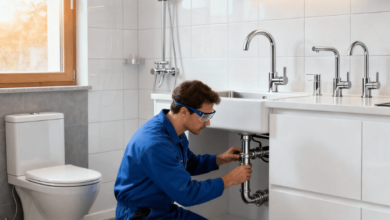
- Lead pipes or plumbing fixtures that contaminate drinking water
Exposure can lead to severe health problems, including developmental delays in children, neurological issues, and reproductive harm. This makes lead inspections not just a legal requirement but a crucial safety measure.
NYC Lead Inspection Requirements for Landlords
New York City has strict regulations governing lead safety in residential properties. Landlords must comply with the following requirements:
- Annual lead inspections for properties built before 1960 with children under six or pregnant tenants
- Visual inspections to identify peeling paint and hazards
- Lead testing for paint, dust, and water if hazards are suspected
- Mandatory remediation if lead hazards are found
- Certification and reporting to the NYC Department of Health and Mental Hygiene (DOHMH)
- Choosing a Professional Lead Inspection Service
Failing to comply can result in substantial fines and legal liability, making professional lead inspection services indispensable.
For landlords and property managers, partnering with a licensed lead inspection company is essential. Key considerations include:
See also: Emergency Situations Where You Need an Auto Locksmith in NYC
- Licensing and Certification: Ensure the company is certified by New York State and recognized by NYC for lead inspection services.
- Experience: Companies familiar with NYC’s older buildings can identify hidden hazards efficiently.
- Comprehensive Testing: Look for services that cover paint, dust, and water testing.
- Transparent Reporting: Detailed inspection reports with actionable recommendations are crucial for legal compliance and tenant safety.
- The Lead Inspection Process
A professional lead inspection typically involves several key steps:
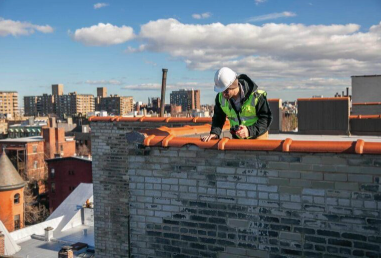
- Initial Assessment: Inspectors review the property, focusing on areas where children spend time and older surfaces likely to contain lead.
- Testing: Using advanced tools such as X-ray fluorescence (XRF) analyzers, inspectors test paint, dust, and water samples for lead content.
- Analysis and Reporting: Samples are analyzed in a lab if necessary, and a detailed report is prepared, highlighting any hazards and recommended remediation steps.
- Remediation Guidance: If lead is detected, inspectors provide guidance on safe removal or mitigation strategies, ensuring compliance with NYC regulations.
- Benefits of Professional Lead Inspection for Property Managers
Hiring a certified lead inspection company offers numerous advantages:
- Legal Compliance: Avoid fines and meet all NYC and state regulations.
- Tenant Safety: Protect the health of tenants, particularly children and pregnant residents.
- Peace of Mind: Detailed reports provide clarity and confidence in property safety.
- Risk Management: Early detection prevents costly emergencies or liability claims.
- Preventive Measures After Lead Inspection
Even after a thorough inspection, property managers can take proactive steps to minimize lead hazards:
- Regular Maintenance: Keep walls and surfaces in good repair to prevent peeling paint.
- Tenant Education: Inform residents about lead safety and proper cleaning practices to reduce dust exposure.
- Water Testing: Periodically test water for lead contamination, especially in older plumbing systems.
- Safe Renovation Practices: Use lead-safe work practices during repairs or remodeling.
- Why Manhattan Leads is a Trusted Choice for Lead Inspection in NYC
For landlords and property managers, partnering with a reliable inspection company is critical. Manhattan Leads is a trusted provider of Lead Inspection in NYC, offering:
- Licensed and certified inspectors experienced with NYC’s older buildings
- Comprehensive testing for paint, dust, and water
- Detailed, transparent reports and remediation guidance
- Commitment to tenant safety and regulatory compliance
- Their professional approach ensures that property owners can manage their buildings safely and confidently.
Conclusion
Lead inspection is not just a regulatory requirement in New York City—it’s a vital step to protect tenants and maintain property value. For landlords and property managers, understanding lead hazards, hiring certified professionals, and implementing preventive measures are essential components of responsible property management.
By partnering with experts like Manhattan Leads for Lead Inspection in NYC, property owners can ensure compliance, safeguard health, and create a safer living environment for all tenants. Regular inspections, timely remediation, and proactive maintenance are key to managing lead hazards effectively in NYC properties.