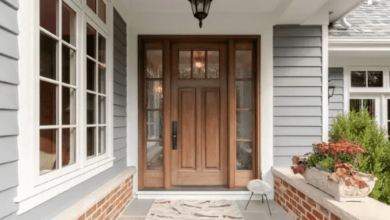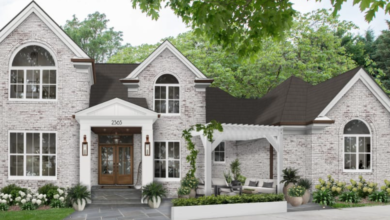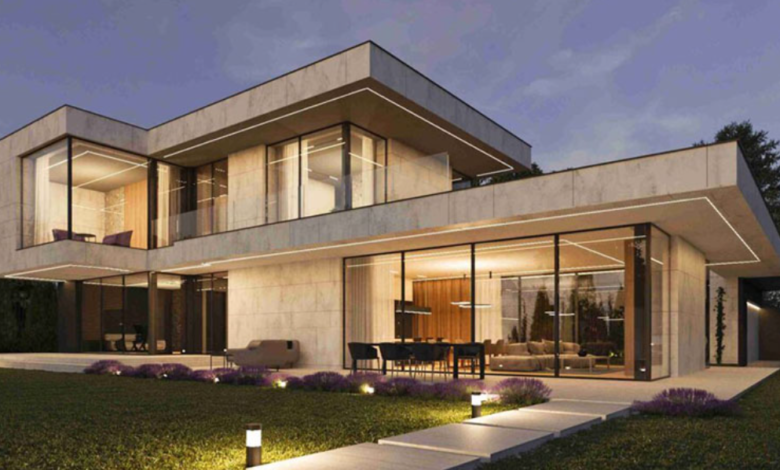
Homeowners often focus on interior renovations when trying to improve their property’s value, but exterior upgrades can have an equally significant impact. The outside of a home influences curb appeal, energy efficiency, weather protection, and long-term maintenance costs. A well-maintained exterior also creates a strong first impression, which matters whether a homeowner plans to stay for years or eventually sell the property.
Investing in thoughtful exterior improvements does not always require a complete renovation. In many cases, strategic upgrades and preventive maintenance can dramatically improve both functionality and appearance while helping homeowners avoid larger repair expenses later on.
Why Exterior Maintenance Matters More Than Many Realize
The exterior of a home acts as its first line of defense against changing weather conditions. Rain, wind, heat, humidity, and seasonal storms constantly place stress on roofing systems, siding, gutters, and windows.
When exterior components begin to fail, the effects can extend beyond cosmetic concerns. Small vulnerabilities may allow moisture intrusion, which can eventually lead to structural deterioration, mold growth, insulation damage, or increased energy costs.
Regular inspections and maintenance help homeowners catch issues early while preserving the overall condition of the property.
Some commonly overlooked areas include:
- Loose or damaged shingles
- Cracked flashing around vents and chimneys
- Clogged gutters
- Faded or warped siding
- Poor attic ventilation
- Small areas of water intrusion
Addressing these concerns promptly can extend the lifespan of the home’s exterior systems and reduce the likelihood of major repairs.
See also: Transform Your Home with Stylish Pitched Roof Windows
Roofing Plays a Central Role in Home Protection
A roof is one of the most important structural components of any home. Beyond simply keeping rain out, it contributes to insulation performance, ventilation balance, and energy efficiency.
Different roofing materials offer varying benefits depending on climate conditions, maintenance expectations, and architectural style.
Asphalt Shingles
Asphalt shingles remain one of the most widely used roofing materials because they are affordable, versatile, and relatively easy to maintain.
Metal Roofing
Metal roofs have gained popularity for their durability and energy efficiency. They can withstand severe weather conditions while reflecting heat during warmer months.
Architectural Shingles
Architectural shingles provide enhanced dimensional appearance and often deliver longer lifespans than traditional shingles.
Composite Roofing Materials
Composite materials are designed to mimic the appearance of wood or slate while offering improved durability and lower maintenance requirements.
Choosing the right roofing material involves balancing cost, appearance, maintenance needs, and regional weather considerations.
Proper Ventilation Helps Protect the Entire Home
Roof ventilation is often overlooked during maintenance discussions, but it plays a critical role in protecting both the roof and the interior structure.
Without adequate airflow, heat and moisture can become trapped in attic spaces. Over time, this may contribute to:
- Premature roof aging
- Increased cooling costs
- Mold growth
- Wood rot
- Insulation damage
Balanced ventilation systems help regulate temperature and moisture levels, supporting healthier indoor air quality and improved energy efficiency throughout the home.
Gutters and Drainage Systems Deserve Attention
Gutters are designed to direct water safely away from the roof, siding, and foundation. When drainage systems become clogged or damaged, water may overflow and create costly problems.
Poor drainage can lead to:
- Foundation erosion
- Basement moisture issues
- Roof edge damage
- Landscape erosion
- Siding deterioration
Cleaning gutters regularly and checking for signs of sagging or blockage can significantly reduce the risk of water-related damage.
Downspouts should also direct water far enough away from the home’s foundation to prevent pooling.
Siding Upgrades Can Improve Efficiency and Appearance
Siding contributes both to aesthetics and insulation performance. Modern siding materials offer improved durability and lower maintenance compared to older options.
Popular siding choices include:
- Vinyl siding
- Fiber cement siding
- Engineered wood siding
- Metal siding
- Composite materials
Energy-efficient siding systems may also help reduce heating and cooling costs by improving insulation performance.
When evaluating siding upgrades, homeowners should consider durability, maintenance requirements, climate compatibility, and overall architectural style.
Storm Preparedness Can Reduce Long-Term Costs
Extreme weather events can place significant strain on exterior systems. Preparing the home before severe weather arrives may help minimize damage and reduce repair costs afterward.
Practical storm preparation measures include:
- Inspecting loose roofing materials
- Reinforcing flashing and seals
- Trimming nearby tree branches
- Cleaning drainage systems
- Checking attic ventilation
- Inspecting siding for vulnerable areas
Homeowners in regions with frequent storms may benefit from impact-resistant roofing materials or enhanced drainage solutions designed for heavy rainfall.
Preventive Maintenance Saves Money Over Time
Many major repair projects begin as small, manageable problems that were simply overlooked. Preventive maintenance helps homeowners address minor issues before they escalate into larger structural concerns.
Benefits of routine maintenance may include:
- Longer roof lifespan
- Improved energy efficiency
- Better indoor comfort
- Reduced repair frequency
- Stronger property value
- Lower long-term ownership costs
Scheduling periodic inspections can provide peace of mind while helping homeowners plan for future maintenance needs more effectively.
Understanding the Importance of Professional Assessments
While homeowners can perform visual inspections from the ground, professional evaluations often reveal hidden issues that may not be immediately obvious.
Experienced exterior professionals can assess:
- Roofing condition
- Ventilation performance
- Moisture risks
- Drainage systems
- Structural vulnerabilities
- Material wear patterns
For homeowners researching exterior maintenance strategies and roofing considerations, resources available through www.idealprecisionroofing.com may provide additional context about common exterior improvement approaches and maintenance priorities.
Conclusion
Exterior maintenance is not only about appearance. It is a long-term investment in the health, efficiency, and durability of a home. Roofing systems, gutters, siding, and ventilation all work together to protect the property from environmental stress and moisture damage.
By taking a proactive approach to inspections, maintenance, and strategic upgrades, homeowners can reduce the likelihood of costly repairs while improving both comfort and property value. Even small preventive measures can make a meaningful difference over time, helping preserve the integrity of the home for years to come.